History of Indore
Bada Rawala Palace Indore

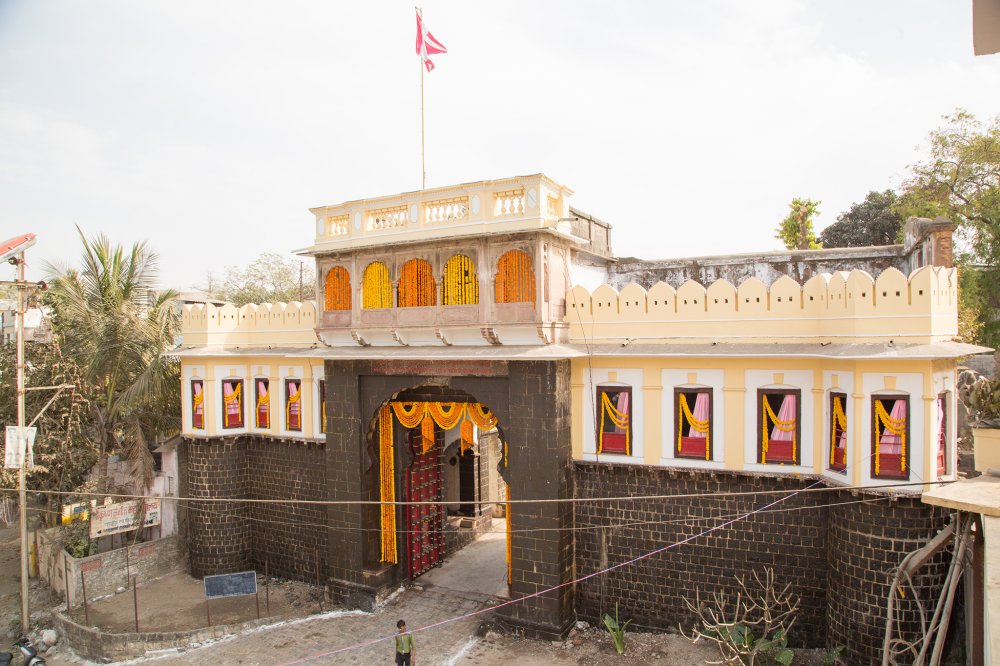
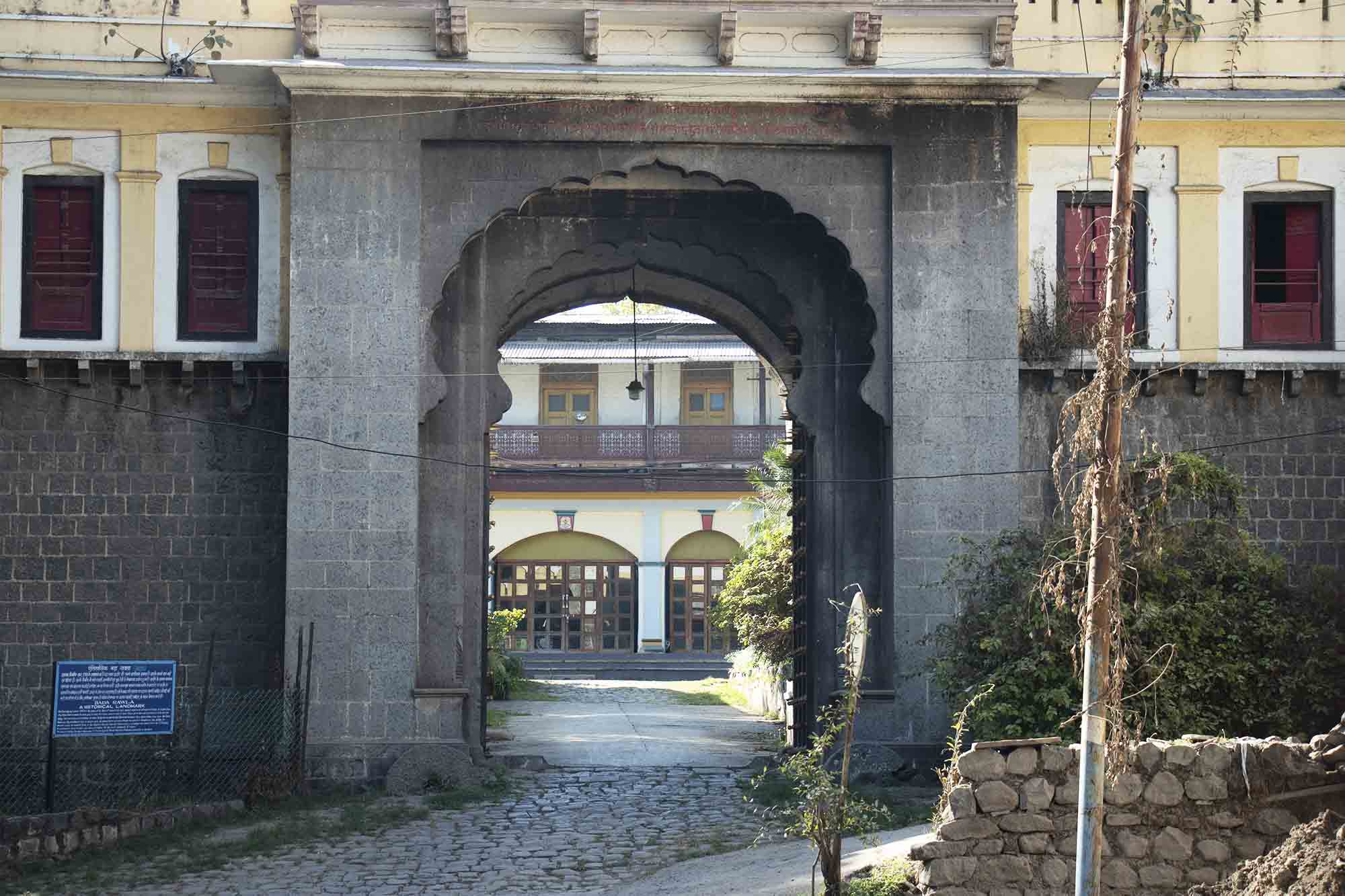
The construction of Shri Sansthan Bada Rawala Palace was completed around 1700. Bada Rawala is the oldest royal palace of Indore. Around 1700, during the rule of Rao Raja Nandlal Ji, the capital of this pargana was changed from Kampel to Indore. Rawala means the palace where “Rao” resides. In front of Shri Sansthan Bada Rawala Rajmahal, there is Khyata (Khan) river and Pedhighat, which are the oldest ghats of Indore and it is considered a very sacred place for the ascetics to perform and for saints to perform prayer. Black stones, wood, lime and other ancient construction materials have been used in the construction of this palace.
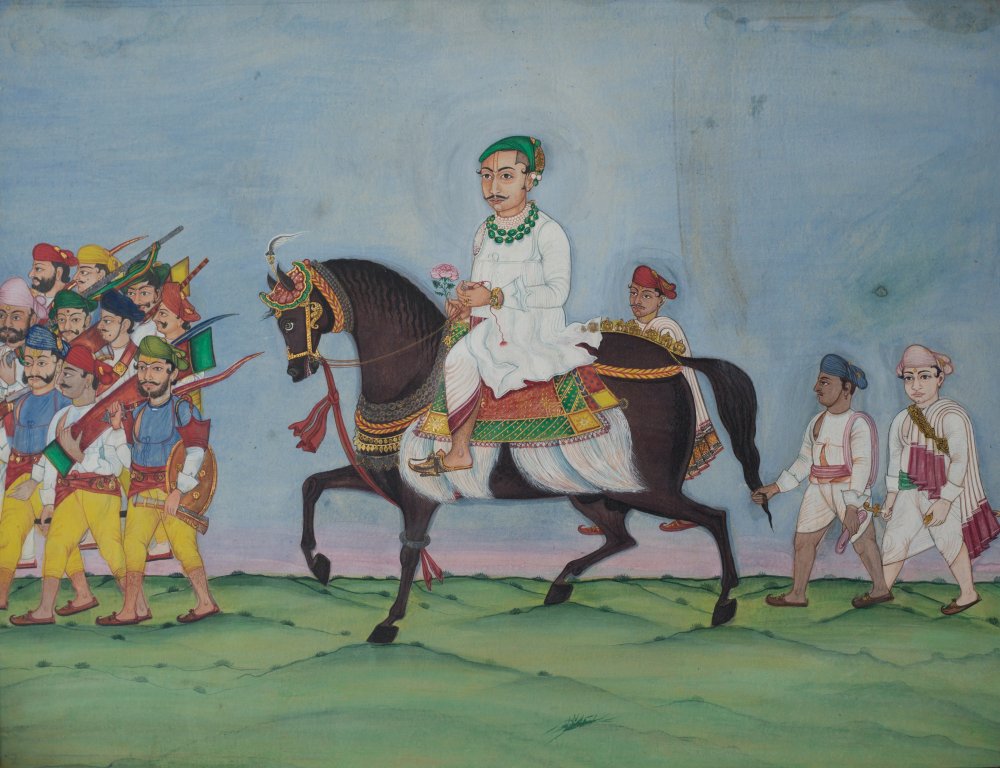
This was the residence of the first ruler of Indore, Rao Raja Rao Nandlal Ji. This is the dynasty of Shri Gaur Brahmin clan. Indore town was under Suba Malwa Pargana Kampel. The palace court was here. The throne of Rao Raja Rao Nandlal Ji is still here. There are a total of 13 squares, elephant sheds and stables in this palace. Rao Raja Rao Nandlal Ji, on the strength of his foresight, has established the beautiful and modern city Indore and with the aim of making Indore a business capital, Rao Raja established a tax-free trade zone in Indore in 1716, due to which today Indore is the business capital.
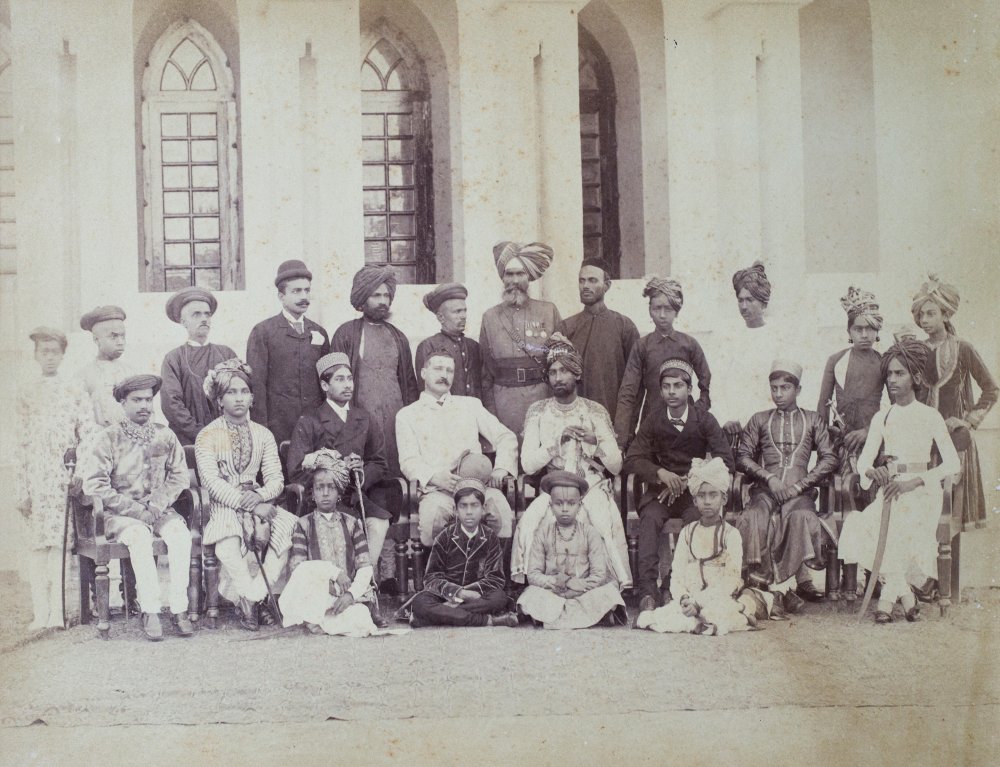
This historical palace was visited by Chhatrapati Shivaji Maharaj, Swami Vivekanand Ji, P.P. Shankaracharya Shri Swaroopanand Ji Kanchi Kamakoti Peeth, P.P. Swami Satyamitranand Giri Ji Bharat Mata Temple Haridwar, Former President of India Dr. Sarvapalli Radhakrishnan Ji, Bharat Ratna Shri Jaiprakash Narayan Ji, C.P. Ramaswamy Iyer, Bharat Ratna Pt. Ravi Shankar Ji, Saint Mother Teresa Ji, His Holiness Ali Kadar Burhanuddin Syedna Saheb, Kerala Governor His Excellency Arif Mohammed Khan Ji and many other great personalities have visited. Rao Raja Nandlal Ji and his descendants are also considered to be the descendants of Varahamihir in the court of King Vikramaditya. At present, Rao Raja Rao Srikant Ji, the twelfth generation of Rao Raja Rao Nandlal Ji and his family reside in this palace.
श्री संस्थान बड़ा रावला राजमहल ऐतिहासिक स्थल
श्री संस्थान बड़ा रावला राजमहल का निर्माण सन् 1700 के आसपास हुआ है, उससे पूर्व राज परिवार की 8 गढ़ियों में से एक गढ़ी भी। बड़ा रावला इन्दौर का सबसे प्राचीनतम् राजमहल है। सन् 1700 के करीब राव राजा नन्दलाल जी के शासन में इस परगने की राजधानी कम्पेल से बदल कर उनके द्वारा इन्दौर बनाई गई। रावला का अर्थ होता है वह महल जहां ‘‘राव’’ निवास करते हैं। श्री संस्थान बड़ा रावला राजमहल के सामने ख्याता (खान) नदी एवं पेढ़ीघाट है, जो कि इन्दौर के सबसे प्राचीनतम घाट हैं और तपस्वियों को तपस्या करने के लिये यह बहुत पवित्र स्थान माना जाता है, क्योंकि यह दो नदियों के संगम के करीब है। उन्होंने राजमहल के निर्माण में काले पत्थरों, लकड़ी, चूना एवं अन्य पुरातन समय की निर्माण सामग्री का प्रयोग हुआ है।
इन्दौर के प्रथम शासक व संस्थापक राव राजा राव नंदलाल जी के शासनकाल मे यह राज परिवार का निवास स्थान व महल कचहरी रही है। यह श्री गौड़ ब्राह्मण कुल का राजवंश है। इन्दौर कस्बा सूबा मालवा परगना कम्पेल के अन्तर्गत् था। राव राजा राव नंदलाल जी की गादी आज भी यहीं पर है। इस राजमहल में कुल 13 चौक, हाथीखाना व घुड़साल हैं। राव राजा राव नंदलाल जी ने अपनी दूरदर्शिता के बल पर सुन्दर और आधुनिक नगर इन्दौर को बसाया है और राव राजा ने इन्दौर को व्यापारिक राजधानी बनाने के उद्देश्य से सन् 1716 में इन्दौर को करमुक्त व्यापार क्षेत्र स्थापित किया जिस कारण आज इन्दौर व्यापारिक राजधानी है।
इस ऐतिहासिक राजमहल में छत्रपति शिवाजी महाराज, स्वामी विवेकानंदजी, प.पू. शंकराचार्य श्री स्वरूपानंद जी कांची कामकोठी पीठ, प.पू.स्वामी सत्यमित्रानंद गिरी जी भारत माता मंदिर हरिद्वार, भारत के पूर्व राष्ट्रपति डॉ. सर्वपल्ली राधाकृष्णन जी, भारत रत्न श्री जयप्रकाश नारायण जी, सी.पी. रामास्वामी अय्यर, भारत रत्न पं. रवि शंकर जी, संत मदर टेरेसा जी, हिज होलीनेस आलीकदर बुरहानुद्दीन सैयदना साहब, केरल गवर्नर महामहीम आरिफ मोहम्मद खान जी एवं अन्य कई महान विभूतियॉं पधार चुकी हैं।
राव राजा नंदलाल जी एवं उनके वंश को राजा विक्रमादित्य के दरबार में वराहमिहीर जी का भी वंशज माना जाता है। वर्तमान में राव राजा राव नंदलाल जी की बारहवीं पीढ़ी राव राजा राव श्रीकान्त जी एवं उनका परिवार इस राजमहल में निवास करते हैं।
Tucked within the winding streets of Juni Indore, Shri Sansthan Bada Rawala stands as one of the city’s oldest and most intimate symbols of power, memory, and architectural heritage. Constructed between 1650 and 1662 by Rao Balram Mandloi, the palace was founded following spiritual guidance from a revered mendicant near the banks of the Kshata (Khan) River. This marked a pivotal shift from Kampel to what would become the heart of Indore—a decision that seeded the city’s eventual identity.
Built on a hill shaped like a tortoise (considered auspicious), the palace’s architectural language blends Malwa vernacular, Rajput strength, and ritualistic symmetry. The Rawala features grand arched verandahs, thick stone walls, and internal courtyards once shaded by chikoo and neem trees. Its iconic Hathi Dwar—commissioned by Rajmata Gajra Devi for her son’s janeyu—still stands as a ceremonial threshold into a space where elephants were paraded and dignitaries received.
The Rawala was not just a home but a seat of governance, ritual, and agrarian management. Mango orchards, horses, and elephants formed part of the daily rhythm, while a private temple within the palace echoed the family’s spiritual convictions. Over time, the Rawala witnessed colonial shifts, political alliances, and urban encroachment. Yet, it remains a living palace, preserved and inhabited by the descendants of the Mandloi-Zamindar lineage—unlike the more touristic Rajwada Palace, which came later under the Holkars.
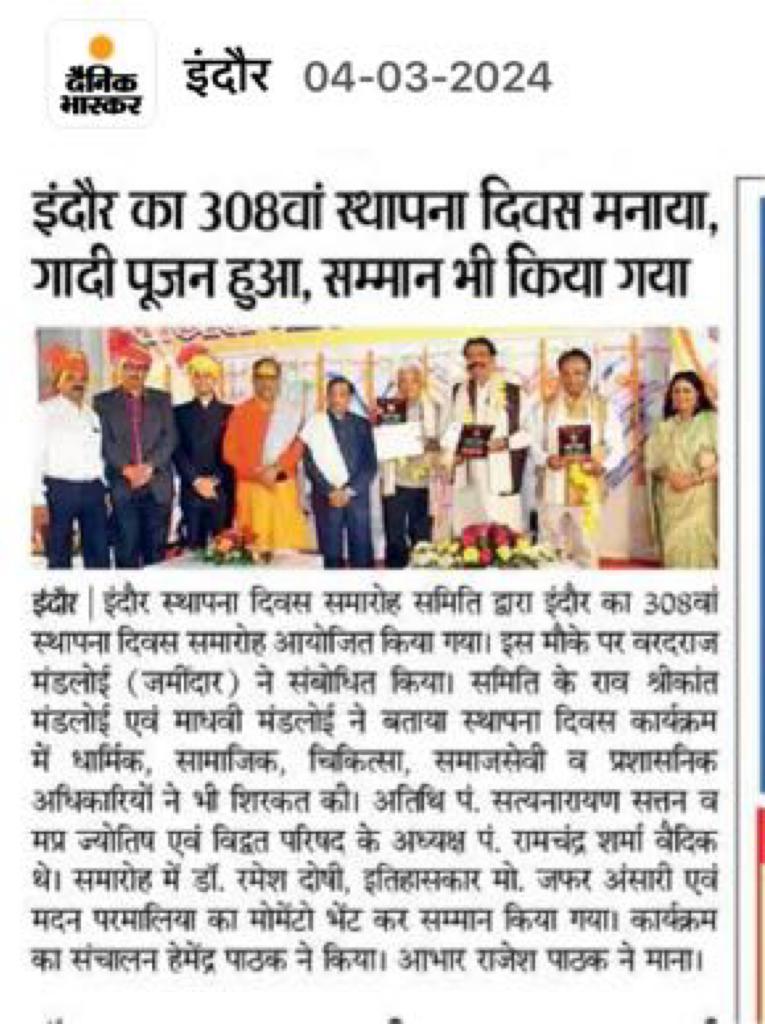
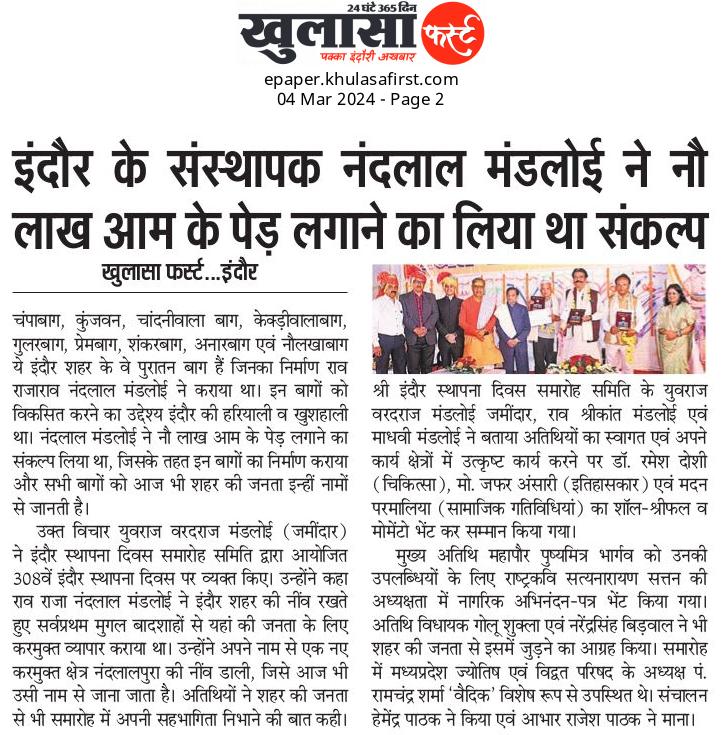
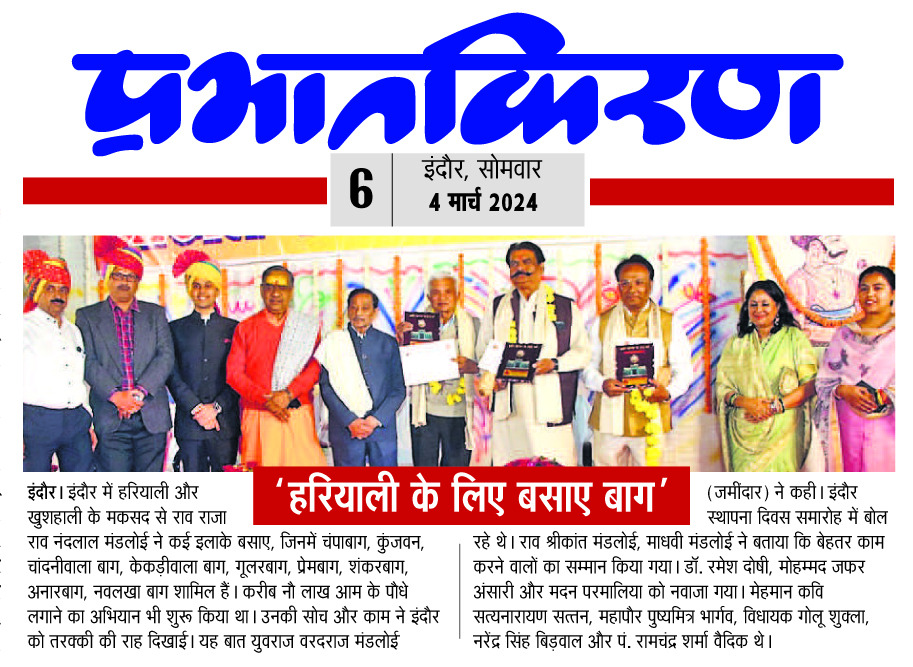
Today, Bada Rawala quietly continues its legacy. The palace hosts rituals such as Indore’s Foundation Day and Dussehra Pujan, where its right to perform the first ceremonial worship is still recognised—a tradition stemming from its role as Indore’s first ruling house.
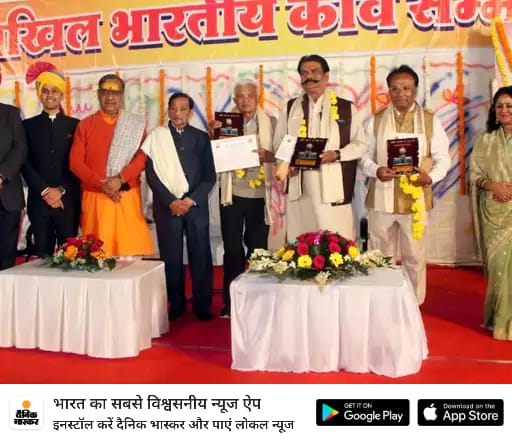
The Bada Rawala remains under the custodianship of the Mandloi descendants (the Zamindar family). Indore’s Foundation Day (Sthapna Diwas) celebrations are often held at Bada Rawala, on March 3 each year. This date commemorates Rao Nandlal’s founding of the city in 1716, and the fact that the tradition is kept at Bada Rawala underscores the site’s foundational importance. During such events, the architecture itself becomes a backdrop for cultural programs – a living monument where history is retold. The Bada Rawala Palace’s long continuity is also evident in the list of luminaries it has hosted over time. As noted, figures from Swami Vivekananda to local freedom fighters have walked its halls, and even into the 21st century it serves as a venue for heritage walks, exhibitions, and educational tours for those interested in Indore’s past.
Promoting Education
He played a significant role in promoting education in the region of Madhya Pradesh, particularly in Indore. Rao Raja Nandlal Ji Mandloi established schools and educational institutions to provide quality education to the youth of the area. His dedication to education helped in improving literacy rates and empowering the local population.
Overall, Rao Raja Nandlal Ji Mandloi’s legacy in education continues to inspire many to this day, as his efforts have had a lasting impact on the educational landscape of Madhya Pradesh.
History
Press
Awards, honors, and recognitions received.