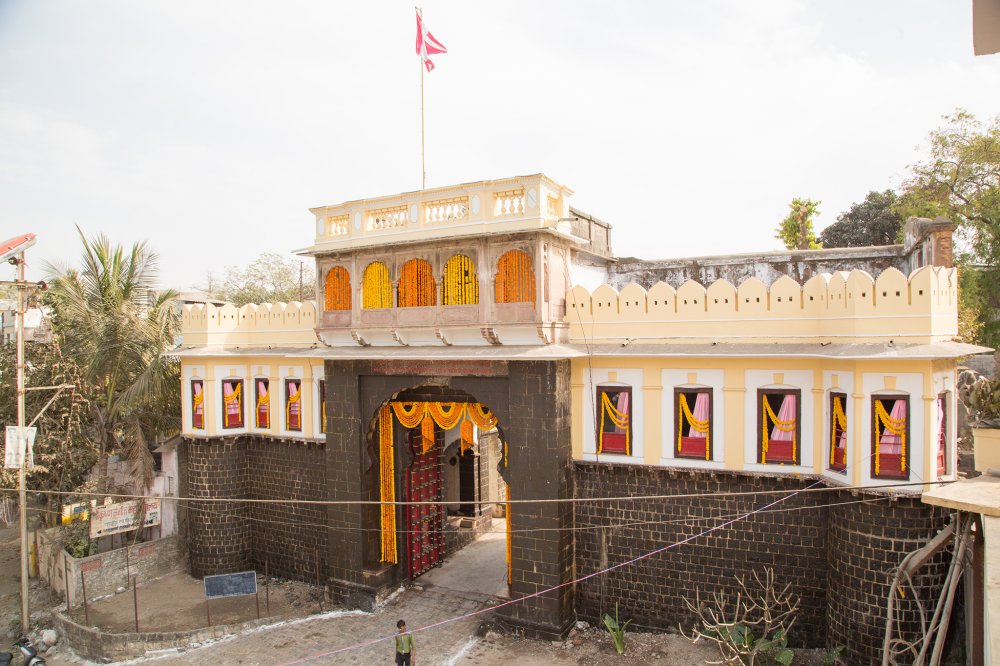
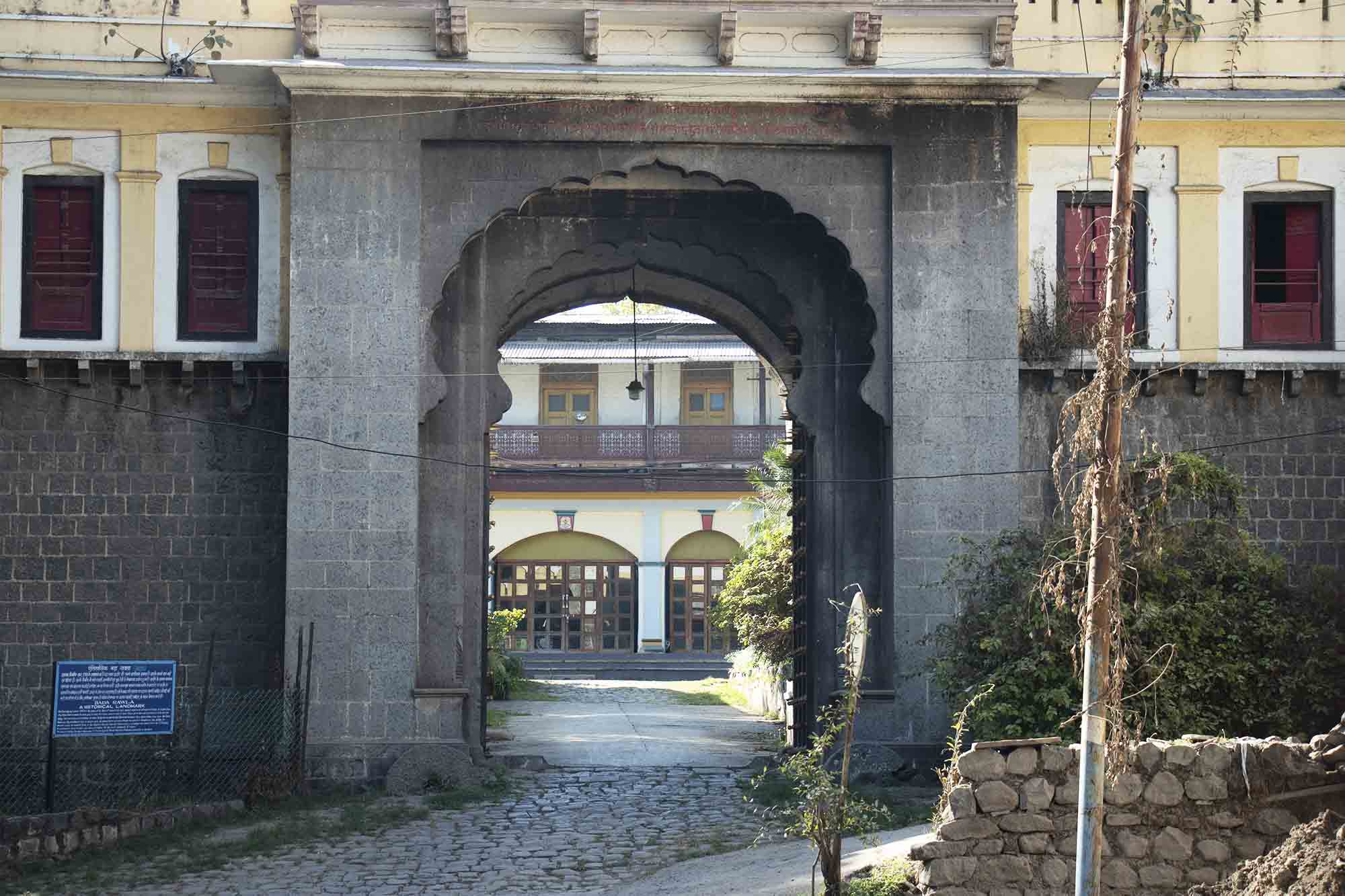
The construction of Shri Sansthan Bada Rawala Palace was completed around 1700. Bada Rawala is the oldest royal palace of Indore. Around 1700, during the rule of Rao Raja Nandlal Ji, the capital of this pargana was changed from Kampel to Indore. Rawala means the palace where “Rao” resides. In front of Shri Sansthan Bada Rawala Rajmahal, there is Khyata (Khan) river and Pedhighat, which are the oldest ghats of Indore and it is considered a very sacred place for the ascetics to perform and for saints to perform prayer. Black stones, wood, lime and other ancient construction materials have been used in the construction of this palace.
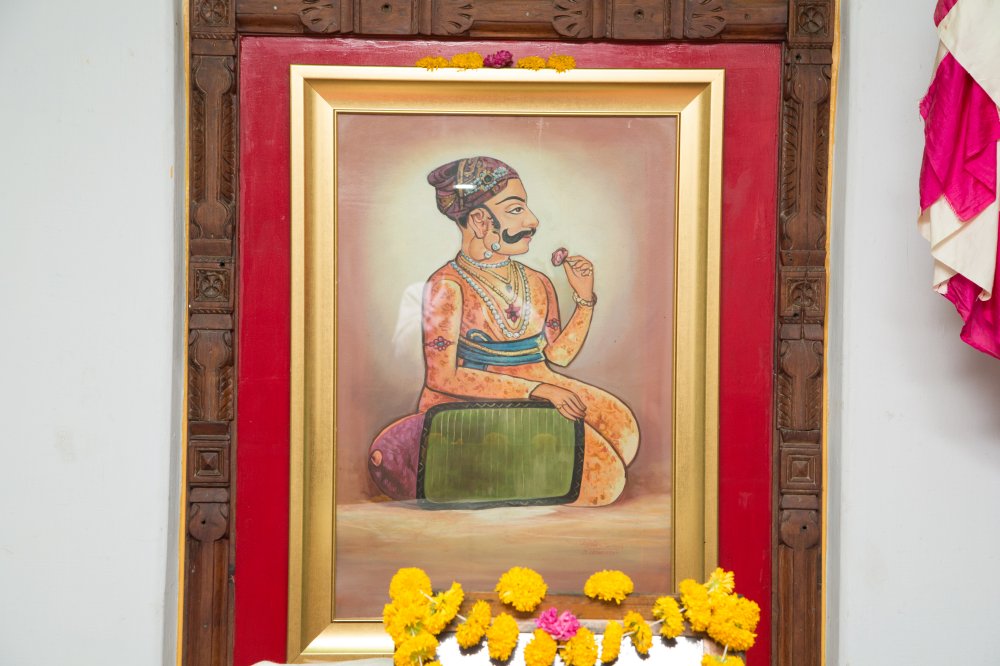
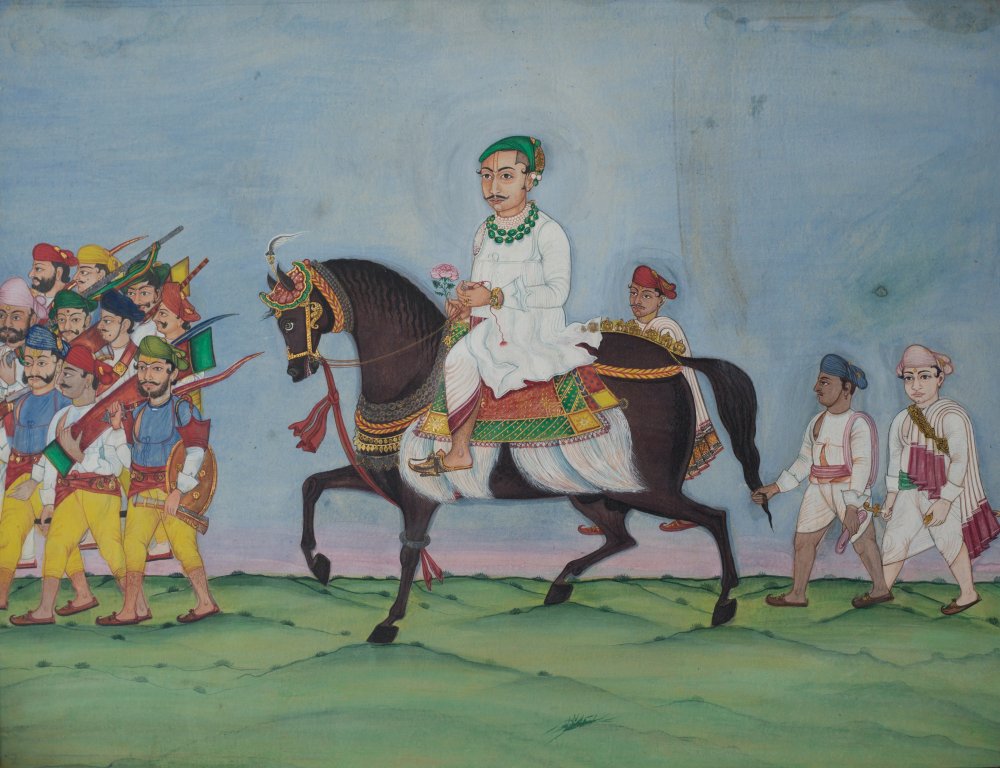
This was the residence of the first ruler of Indore, Rao Raja Rao Nandlal Ji. This is the dynasty of Shri Gaur Brahmin clan. Indore town was under Suba Malwa Pargana Kampel. The palace court was here. The throne of Rao Raja Rao Nandlal Ji is still here. There are a total of 13 squares, elephant sheds and stables in this palace. Rao Raja Rao Nandlal Ji, on the strength of his foresight, has established the beautiful and modern city Indore and with the aim of making Indore a business capital, Rao Raja established a tax-free trade zone in Indore in 1716, due to which today Indore is the business capital.
This historical palace was visited by Chhatrapati Shivaji Maharaj, Swami Vivekanand Ji, P.P. Shankaracharya Shri Swaroopanand Ji Kanchi Kamakoti Peeth, P.P. Swami Satyamitranand Giri Ji Bharat Mata Temple Haridwar, Former President of India Dr. Sarvapalli Radhakrishnan Ji, Bharat Ratna Shri Jaiprakash Narayan Ji, C.P. Ramaswamy Iyer, Bharat Ratna Pt. Ravi Shankar Ji, Saint Mother Teresa Ji, His Holiness Ali Kadar Burhanuddin Syedna Saheb, Kerala Governor His Excellency Arif Mohammed Khan Ji and many other great personalities have visited. Rao Raja Nandlal Ji and his descendants are also considered to be the descendants of Varahamihir in the court of King Vikramaditya. At present, Rao Raja Rao Srikant Ji, the twelfth generation of Rao Raja Rao Nandlal Ji and his family reside in this palace.
श्री संस्थान बड़ा रावला राजमहल ऐतिहासिक स्थल
श्री संस्थान बड़ा रावला राजमहल का निर्माण सन् 1700 के आसपास हुआ है, उससे पूर्व राज परिवार की 8 गढ़ियों में से एक गढ़ी भी। बड़ा रावला इन्दौर का सबसे प्राचीनतम् राजमहल है। सन् 1700 के करीब राव राजा नन्दलाल जी के शासन में इस परगने की राजधानी कम्पेल से बदल कर उनके द्वारा इन्दौर बनाई गई। रावला का अर्थ होता है वह महल जहां ‘‘राव’’ निवास करते हैं। श्री संस्थान बड़ा रावला राजमहल के सामने ख्याता (खान) नदी एवं पेढ़ीघाट है, जो कि इन्दौर के सबसे प्राचीनतम घाट हैं और तपस्वियों को तपस्या करने के लिये यह बहुत पवित्र स्थान माना जाता है, क्योंकि यह दो नदियों के संगम के करीब है। उन्होंने राजमहल के निर्माण में काले पत्थरों, लकड़ी, चूना एवं अन्य पुरातन समय की निर्माण सामग्री का प्रयोग हुआ है। इन्दौर के प्रथम शासक व संस्थापक राव राजा राव नंदलाल जी के शासनकाल मे यह राज परिवार का निवास स्थान व महल कचहरी रही है। यह श्री गौड़ ब्राह्मण कुल का राजवंश है। इन्दौर कस्बा सूबा मालवा परगना कम्पेल के अन्तर्गत् था। राव राजा राव नंदलाल जी की गादी आज भी यहीं पर है। इस राजमहल में कुल 13 चौक, हाथीखाना व घुड़साल हैं। राव राजा राव नंदलाल जी ने अपनी दूरदर्शिता के बल पर सुन्दर और आधुनिक नगर इन्दौर को बसाया है और राव राजा ने इन्दौर को व्यापारिक राजधानी बनाने के उद्देश्य से सन् 1716 में इन्दौर को करमुक्त व्यापार क्षेत्र स्थापित किया जिस कारण आज इन्दौर व्यापारिक राजधानी है।
इस ऐतिहासिक राजमहल में छत्रपति शिवाजी महाराज, स्वामी विवेकानंदजी, प.पू. शंकराचार्य श्री स्वरूपानंद जी कांची कामकोठी पीठ, प.पू.स्वामी सत्यमित्रानंद गिरी जी भारत माता मंदिर हरिद्वार, भारत के पूर्व राष्ट्रपति डॉ. सर्वपल्ली राधाकृष्णन जी, भारत रत्न श्री जयप्रकाश नारायण जी, सी.पी. रामास्वामी अय्यर, भारत रत्न पं. रवि शंकर जी, संत मदर टेरेसा जी, हिज होलीनेस आलीकदर बुरहानुद्दीन सैयदना साहब, केरल गवर्नर महामहीम आरिफ मोहम्मद खान जी एवं अन्य कई महान विभूतियॉं पधार चुकी हैं। राव राजा नंदलाल जी एवं उनके वंश को राजा विक्रमादित्य के दरबार में वराहमिहीर जी का भी वंशज माना जाता है। वर्तमान में राव राजा राव नंदलाल जी की बारहवीं पीढ़ी राव राजा राव श्रीकान्त जी एवं उनका परिवार इस राजमहल में निवास करते हैं।
Promoting Education
Rao Raja Nandlal Ji Mandloi’s own journey of acquiring knowledge and skills, combined with his passion for education, motivated him to become a key figure in promoting education in Madhya Pradesh. Despite the lack of detailed information on his formal education, his commitment to spreading knowledge and establishing educational institutions underscores the importance he placed on education as a means of empowerment and progress for the community. His legacy in education continues to inspire many in the region.
He played a significant role in promoting education in the region of Madhya Pradesh, particularly in Indore. Rao Raja Nandlal Ji Mandloi established schools and educational institutions to provide quality education to the youth of the area. His dedication to education helped in improving literacy rates and empowering the local population.
Overall, Rao Raja Nandlal Ji Mandloi’s legacy in education continues to inspire many to this day, as his efforts have had a lasting impact on the educational landscape of Madhya Pradesh.
History
Rao Raja Nandlal Ji Mandloi, a significant figure in Indian history, was born in Mandloi, Madhya Pradesh, during the colonial era. He belonged to a respected noble family and became renowned for his principled stance against British colonial rule. Mandloi dedicated his life to advocating for the rights and welfare of his people amidst the challenges of British exploitation. His leadership was marked by a strong commitment to social justice and educational reform. Mandloi worked tirelessly to empower marginalized communities, striving to improve access to education and opportunities for all segments of society. He was instrumental in organizing local resistance against colonial policies that perpetuated economic disparity and cultural marginalization. Mandloi’s efforts contributed significantly to fostering a sense of unity and resilience among his fellow citizens, inspiring a broader movement towards self-determination and social reform. His legacy continues to resonate as a beacon of courage and determination in the struggle against injustice, highlighting the enduring importance of leadership and advocacy in the pursuit of a fair and equitable society.